



Like many wine regions, the Loire can feel overwhelming at first. And it’s not just another wine region. It’s the third-largest in France, with 56,000 hectares of vines and over 80 AOCs spread across four subzones — the Central Vineyards, Touraine, Anjou-Saumur, and Pays Nantais on the Atlantic coast. These subzones straddle much of France’s longest river, the 1,000 km-long Loire, which flows from Ardèche to the Atlantic, cutting through the central and northwestern fifth of the country.
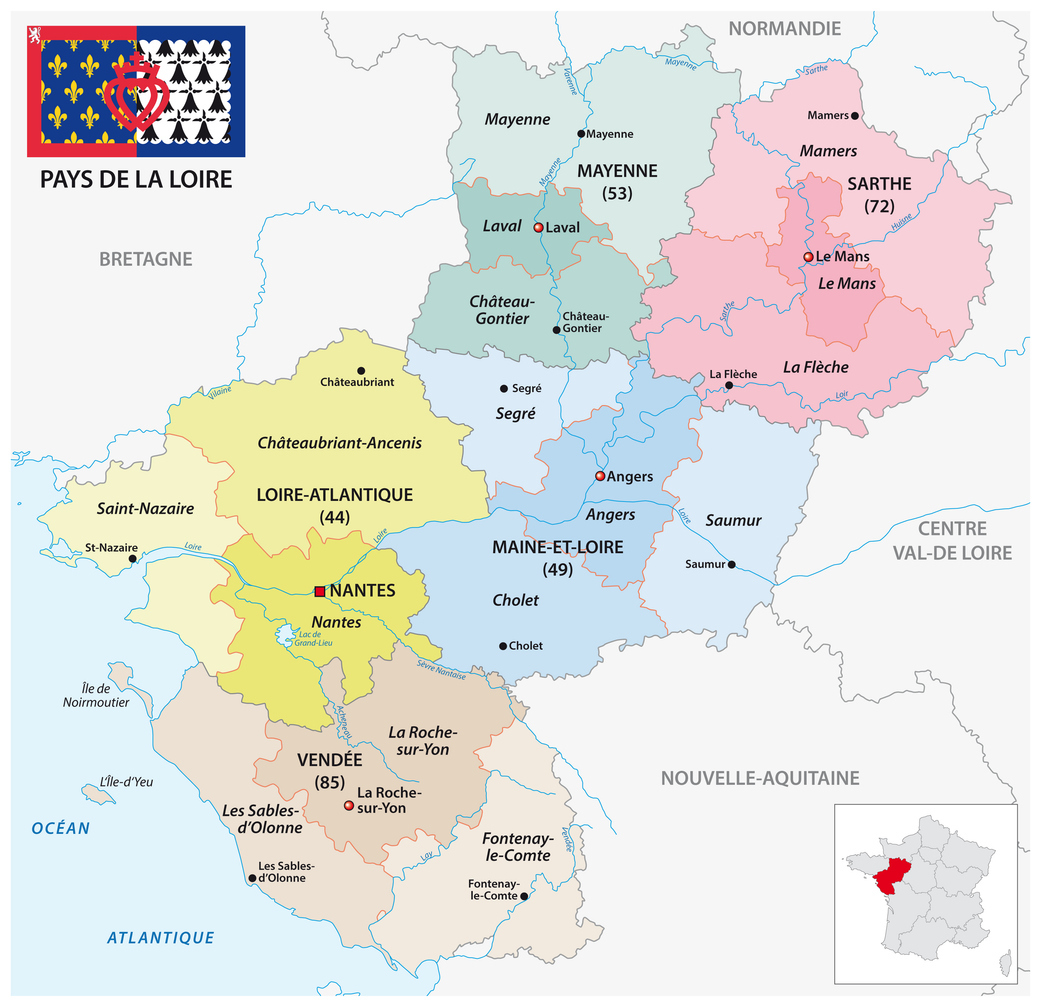
Wine has been made here since the 1st century AD, and Loire wines were already recognized for their quality by the 6th century. The region’s golden age came between the 12th and 19th centuries, when its wines graced the tables of royals, nobles, and clergy in both England and France. As many as 30 grape varieties are grown here, including Pinot Noir, Cabernet Sauvignon and Malbec, along with local white Romorantin and red Pineau d’Aunis.
However, once you look more closely, the Loire is not as complicated as it first seems. Understanding it simply requires identifying the regional themes and then zeroing in on the key grapes that have made it a destination for wine enthusiasts. Let’s give it a try.
Given its latitude, which lies near the edge of viable commercial viticulture, the Loire’s climate is cool to moderate. It becomes increasingly damp, though moderated, the closer one gets to the ocean. As a result, the regional style tends to be fresh, unoaked, moderate in alcohol, with vibrant fruit and acidity — very food-friendly wines, typically meant to be enjoyed within a few years of release. Most are mono-varietal or close to it. They're also notably affordable, with prices starting in the low teens and most staying well below three figures. Vintage variation and grape diseases remain regular concerns, so it's especially impressive that, as of 2024, 73% of vineyards and 85% of vineyard surface area were certified sustainable or organic.
Now let’s turn to Loire signature grapes, the best examples of which here are their global benchmark expressions - whites Sauvignon Blanc, Chenin Blanc and Melon de Bourgogne, and red Cabernet Franc.
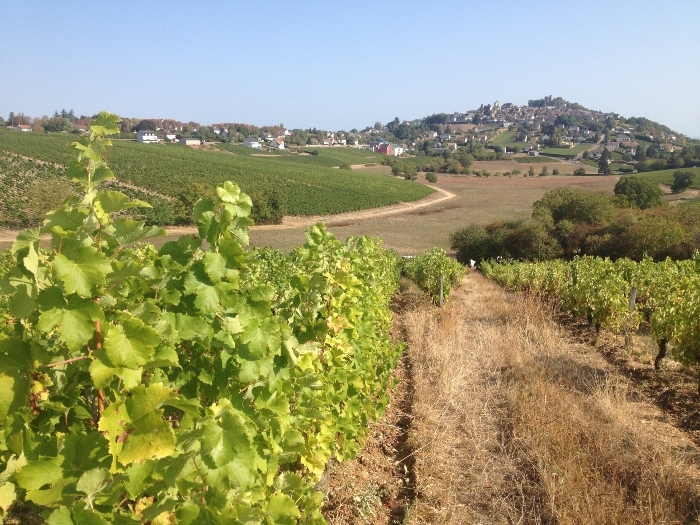
The Loire is believed to be the ancestral home of Sauvignon Blanc, first mentioned here by its local name in 1534. Yet its modern-day reputation has only been firmly established since the 1920s. While it’s grown in many areas — from larger regions like Touraine to smaller zones such as Haut-Poitou, Menetou-Salon, and Quincy — its finest expressions are found in Sancerre and Pouilly-Fumé, located in the Central Vineyards. Here, its typical gooseberry, citrus, and herbal notes are enhanced by different soil types: Sancerre lends suppleness and flesh, while Pouilly-Fumé contributes a mineral, flinty edge.
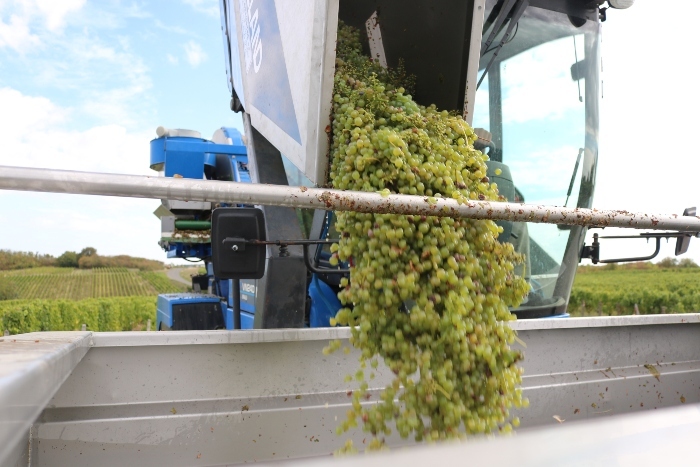
Chenin Blanc is also native to the Loire, first referenced in Anjou as early as 845 (or the early 1500s, depending on the source). It’s a prolific grape, so yields must be controlled for it to show its signature character — fresh acidity with notes of quince, bruised apple, honey, wet wool, and minerality. Touraine’s chalky tuffeau soils offer good value wines under the regional AOP, while the best expressions are found in the Montlouis and Vouvray subzones. Neighbouring Anjou-Saumur also delivers, with black volcanic soils in Anjou and predominantly tuffeau in Saumur. Entry-level wines come under the Saumur Blanc label, while dry, serious examples hail from Savennières. Delicious late-harvest sweet wines are made in Coteaux du Layon, Bonnezeaux, and Quarts-de-Chaume. Top dry — and especially sweet — examples are long-lived and capable of decades of improvement in bottle.
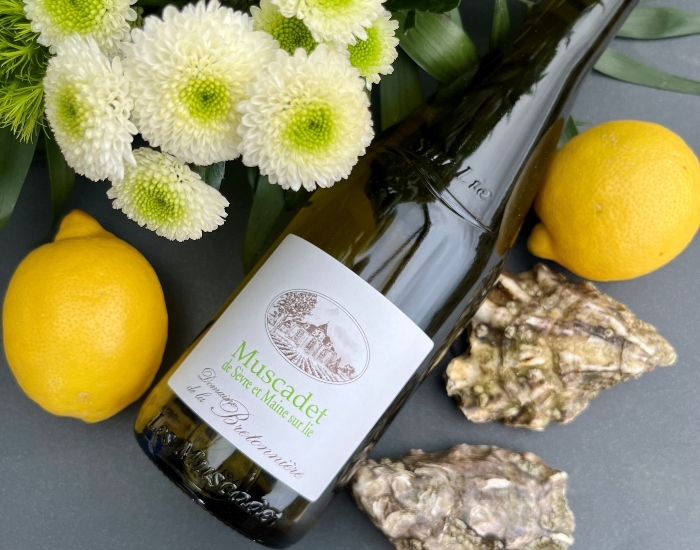
Melon de Bourgogne, grown in the Pays Nantais on shallow, pebbly and sandy soils over decomposed rock, is behind the region’s refreshing Muscadet wines. Originally from Burgundy, it was planted here after the devastating frost of 1709 as a hardier replacement for Gros Plant (Folle Blanche). The most famous version is Muscadet de Sèvre-et-Maine, produced where the Sèvre and Maine tributaries meet the Loire. If “sur lie” appears on the label, the wine was aged on its lees after fermentation, creating a rounder mouthfeel and adding doughy or bready notes to its lean frame and subtle aromas.
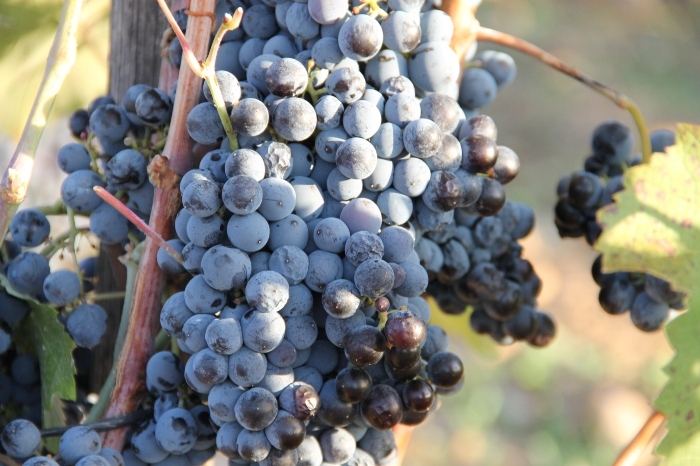
Cabernet Franc was first mentioned in 1089 when the abbot of Bourgeuil planted its vines there. It arrived via Bordeaux and is also made in rosé versions. Red expressions are found in Anjou-Saumur under the Anjou and Saumur labels, with more elevated examples in the Saumur-Champigny subzone. The appellations of Chinon, Bourgueil and St-Nicolas-de-Bourgueil in neighboring Touraine area round out the top of the quality ladder for the grape in the region.
These wines are usually medium-bodied, structured but approachable when young, and capable of mid-term ageing. Typical tasting notes include cassis, red and black plum, graphite or earthy undertones, and occasional vegetal hints like bell pepper or tomato leaf.
So while the Loire may seem complex on the surface, its wines are, at their core, relatively unadorned varietal expressions of their unique climate, soils, history, and craftsmanship — made for both hedonistic enjoyment and gastronomic delight.

Toronto-based Igor Ryjenkov MW was the first in Canada to earn the prestigious Master of Wine credential in 2003. His wine business expertise has been informed by 24 year in the Ontario trade, first in retail, then in key buying positions, and lastly, in projects, most notably, developing the new 5-dot wine style matrix.