


Austria Finds Its Voice
At the turn of the 21st century, Austria suffered from an identity crisis. The regions were not enshrined in law, and the reputation of the grape varieties was not always certain. Perhaps with an eye on their neighbours, Germany, where Riesling had suffered a most unbecoming fate after its association with Liebfraumilch, the authorities decided that a system more akin to France’s Appellation d'Origine Contrôlée would be a safer bet. In 2003, the DAC (Districtus Austriae Controllatus) system was launched.
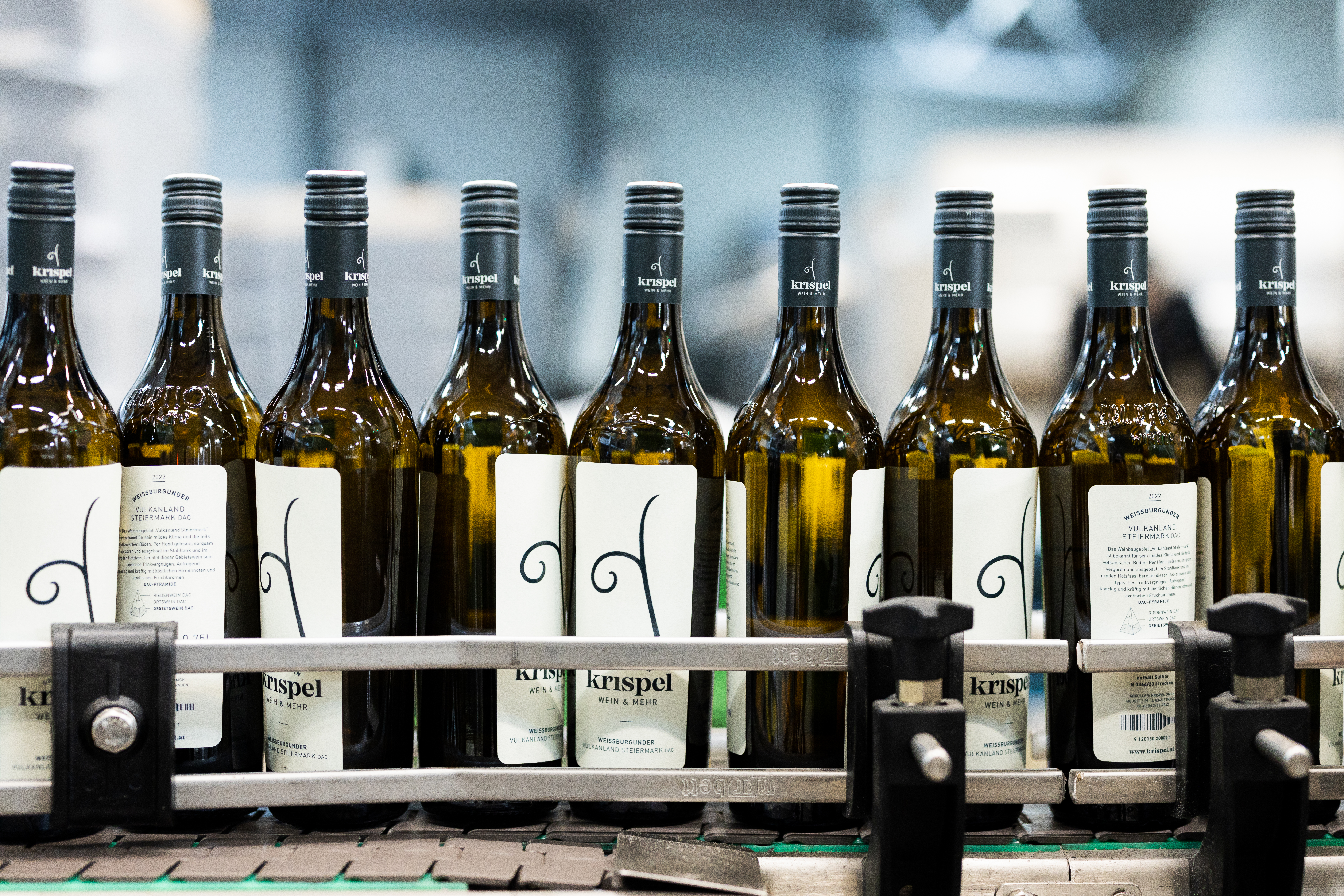
DAC is an integral part of a two-tier concept tied to a geographic framework. At the macro level, there are five Austrian regions: Bergland, Niederösterreich, Burgenland, Steiermark, and Wein. These are, if you like, the parent regions of Austrian wine production, which are then further subdivided into 18 DACs, each ranging in size from 500 to 25,000 acres. The DAC's introduction has not been a wholesale operation but a slow evolution, with new regions appearing on an ongoing basis over the last 20 years as they adopted the DAC fundamentals.
Points that define a DAC include: grape variety, cultivation & harvesting techniques, alcohol & residual sugar content, and ageing & sensory characteristics—pretty standard stuff elsewhere in Europe, but a far cry from Kabinett, Spätlese, et al. The goal, of course, is to strengthen the brand “Austria” by highlighting the striking regional differences in climate, soil, grape and vinification. This is a celebration of regional - as much as national – success.
And has it been a success? There can be no doubt that Austrian wine today is better than it ever has been. Established DACs with a strong reputation (Wachau, for instance) are having a positive ripple effect on newer ones, such as the Vulkanland Steiermark DAC, where Krispel is based.
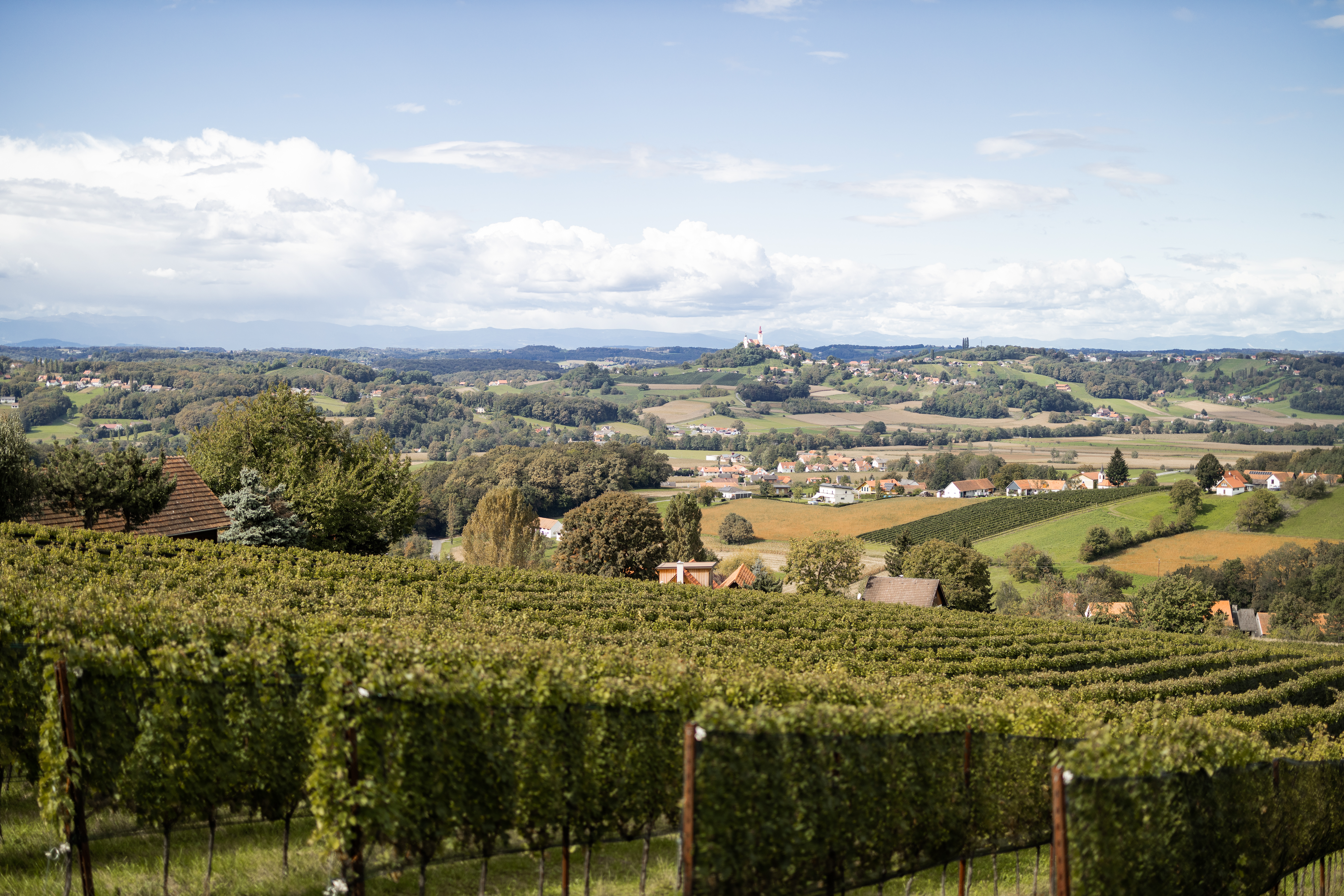
Established in 2018, Vulkanland is known for its vibrant culinary scene and its hilltop castles. The reds are marketed under the wider ‘Steiermark’ designation of origin, as are the whites that fall outside of DAC regulations. Most of the wines share similar characteristics, including refined aromatics. Austrian wines unquestionably deserve a wider audience, and, DAC or no DAC, their purity and intensity are worth a detour from Chablis and Sancerre.

Michael Palij MW