


It is quite possible that the ancestral inhabitants of Italy were already tinkering with grape cultivation in the Late Bronze Age. Varieties developed slowly over millennia: Negroamaro, for instance, is thought to have arrived via Albania sometime during the pre-Roman era, and its roots may be 7,000 years old. This is mindbogglingly historic compared with the descendants of Gouais Blanc, the unassuming peasants’ cultivar that is, in part, responsible for international classics such as Pinot Noir, Chardonnay, Riesling, and many other grapes that are not Italian (Pinot Noir likely dates from the 1st century AD. The others are latecomers, arriving in the 13th and 14th centuries.)
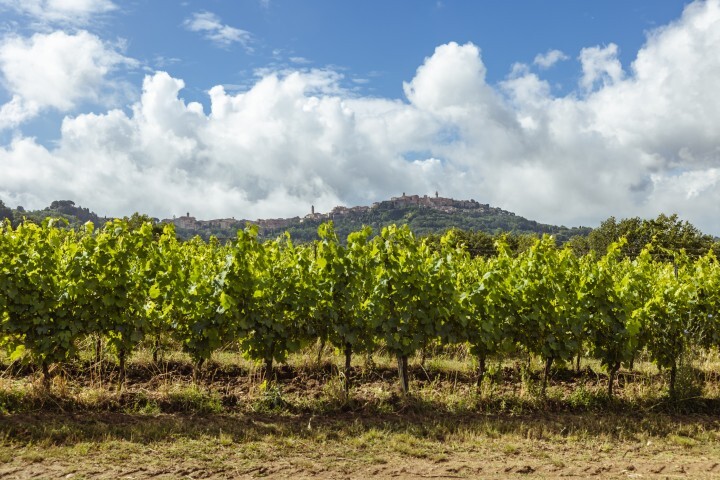
Italy has not been entirely a law unto itself, although its varieties have developed successfully locally, possibly because of the myriad microclimates and the impact of the Roman empire, which spread vines far and wide and did much to improve the technical aspects of viticulture. Odds favoured idiosyncrasies, and the encyclopedic modern-day body of geographical indications has been long in the making.
Puglia, for example, has over thirty Denominazione di Origine Controllata (DOC), with unusual grape varieties such as Bombino Bianco, Susumaniello, Verdeca, and Malvasia Nera in common usage. Quite what distinguishes the top-level, Denominazione di Origine Controllata e Garantita (DOCG), from DOC is a matter of eternal debate, although for Castel del Monte (home to three out of four of the Puglian DOCG), the sizzling summer temperatures make the difference. It regularly tops 40°C, which, unusually, the local varieties enjoy.
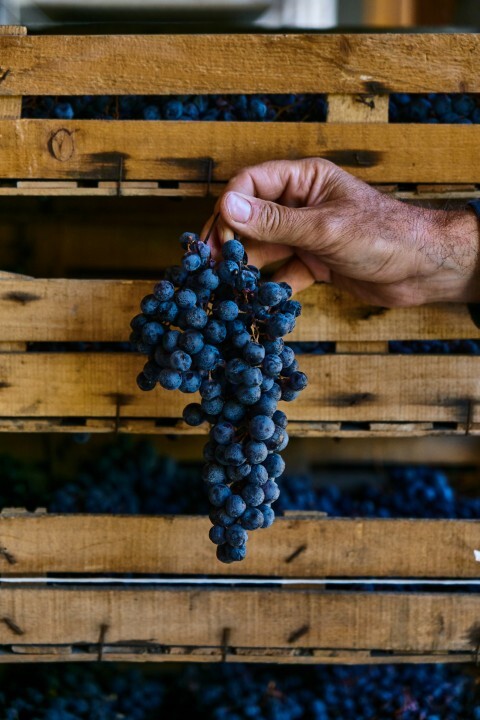
Each corner has its own version of success. Compare Chianti Classico Gran Selezione, from Tuscany, which is big and yet a world away from the wines of Castel del Monte. Sangiovese, the local starlet, is grown in Puglia but reaches its zenith here on the limestone, clay and shale slopes of Chianti Classico, where it may even have been cultivated since the 8th century BC, and where a balance of sunshine and generous cool air movement is key. It has developed a much-vaunted reputation ripe for exploitation, and, indeed, the DOCG, replete with the black cockerel logo, was introduced in 1967 mainly to counter imitations that traded on its renown.
Gran Selezione was launched in 2014, adding a new category above Riserva on the quality pyramid. The wines must contain a minimum 80% Sangiovese (rising to 90% in 2027), with 30 months’ ageing before release. More specific geographical indications, recognizing communes and villages, will be possible from 2023 onwards. Such is the intricacy of just one part of a unique viticultural mosaic.