



The province of Veneto stretches westward from the exquisite, canal-riddled city of Venice to the romantic setting of Romeo and Juliet’s Verona and the stunning Lake Garda, reaching Austria in the north between Alto Adige and Friuli. Several well-known wines come from this region—such as Soave and Prosecco—but it’s Valpolicella’s Amarone, part of the constellation of Italy’s most recognizable red wines, that shines the brightest.
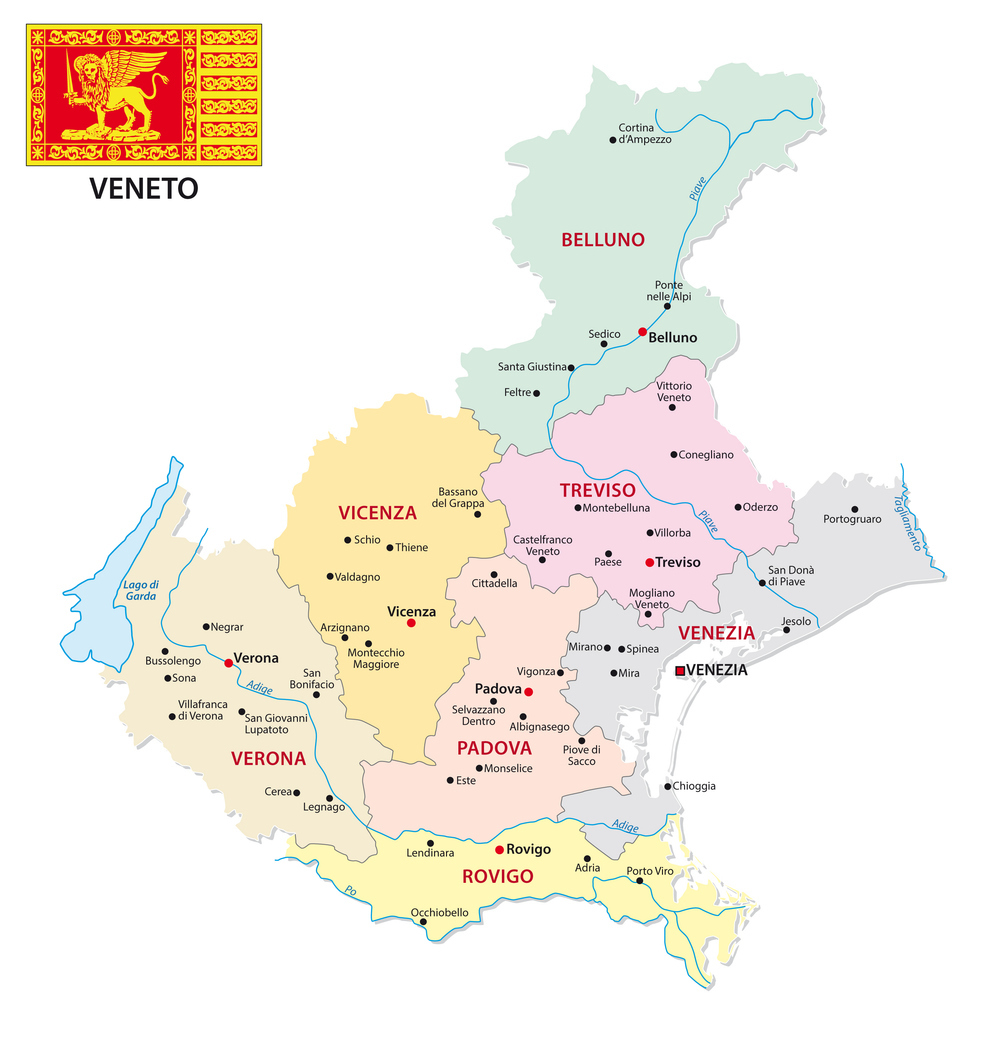
Winemaking in the Valpolicella zone, a compact east-west strip above Verona, dates back to the ancient Greeks, including the tradition of making wine from dried grapes. The name Valpolicella appeared in records as early as the 12th century. The region was granted DOC status in 1968, which led to an expansion of the production zone into fertile plains far beyond its historic boundaries. The vast majority of Valpolicella wines are blends of local red grapes—Corvina, Corvinone, and Rondinella—with Corvina playing the dominant role (up to 80%), alongside occasional additions of other varieties, such as the revived Oseleta or the now rarer Molinara
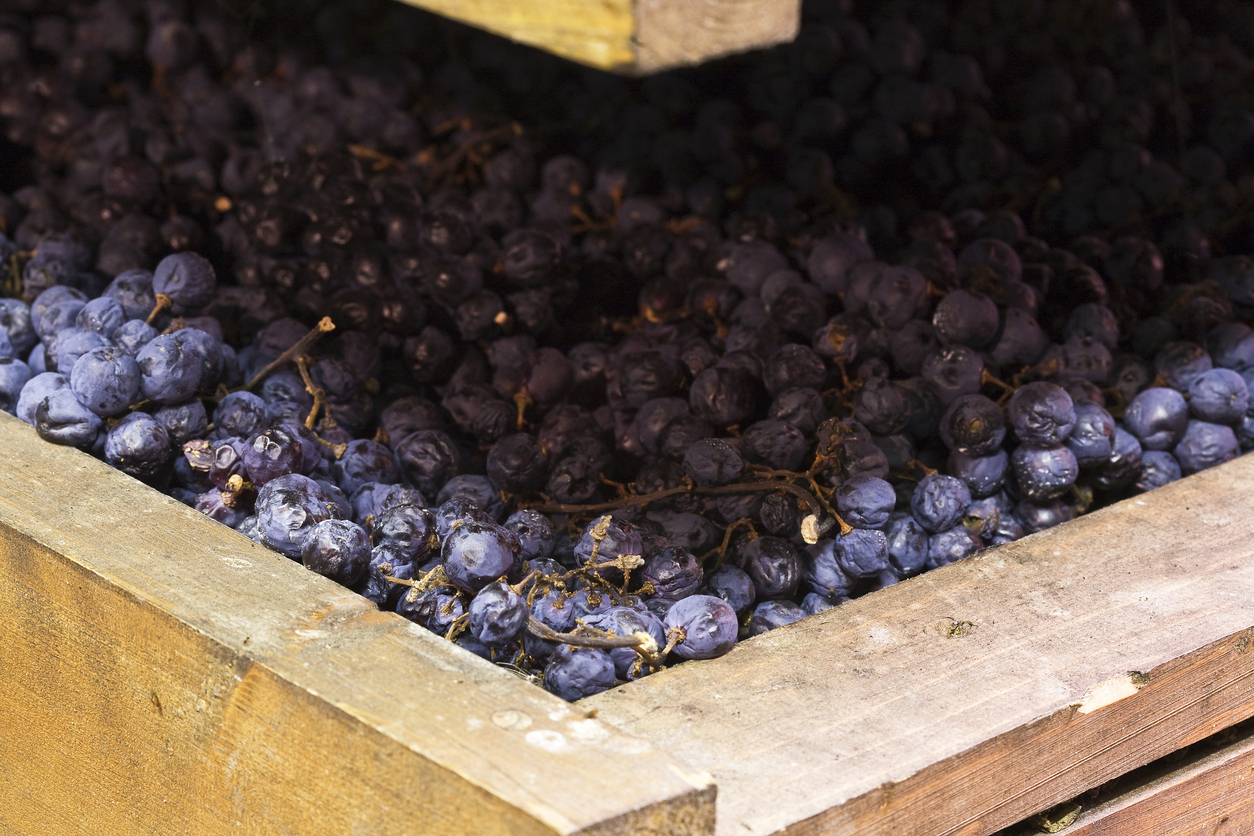
For the past several decades, Amarone and Ripasso styles have dominated consumer interest, but they only received their respective DOCG/DOC designations in 2009. The tradition of drying grapes for winemaking did not survive continuously from ancient times but was reintroduced on a large scale only in the 1950s. Amarone evolved from Recioto, a sweet wine made from dried grapes, which was historically produced in small quantities for special occasions. Initially, the term "Amarone" referred to a Recioto that had fully fermented, resulting in a dry wine instead of a naturally sweet one. Over time, Amarone developed into its own distinct style. Today, fully ripe grape bunches are harvested and dried for up to four months, losing 40% of their volume before winemaking begins. This process results in a higher-alcohol, full-bodied yet often supple wine—hence its elevated price. Interestingly, Amarone began as a rare, meditative, and celebratory wine but has since become mainstream, with production increasing more than sixfold between the early 1970s and the 2000s to meet demand.
Ripasso is a bridge between regular Valpolicella and Amarone. In this style, Amarone pomace (or, occasionally, dried grapes) is added to base Valpolicella wine, imparting a slight alcoholic lift, more extract, and greater weight. A relatively recent development, Ripasso dates back only to the 1980s and evolved from the Valpolicella Superiore designation, which required a higher alcohol content (12%) and at least a year of aging in wood.
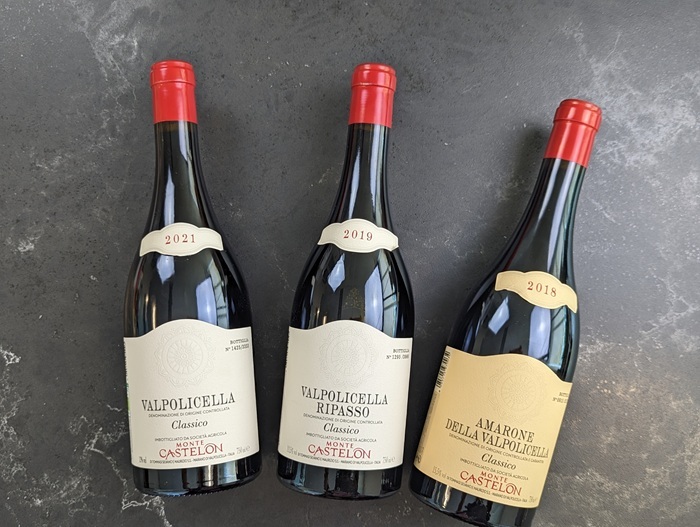
Despite the popularity of Amarone and Ripasso, the region’s namesake wine—Valpolicella—remains the foundation of its winemaking identity. However, after the production area expanded, overall quality became inconsistent. Many co-operative wineries produced uninspired Valpolicella, leading to its poor reputation, to the point where some quality-focused producers lost enthusiasm for it. However, with the success of Amarone and Ripasso—and the stricter production standards they introduced—there is renewed interest in high-quality Valpolicella, particularly from the historic Classico zone. At its best, the mild continental climate and the region’s naturally moderate-coloured, low-tannin grapes create a light, refreshing red with sour cherry and almond notes—a style that aligns perfectly with today’s preference for characterful, yet approachable, food-friendly wines.
Valpolicella remains the foundation of the quality pyramid that supports the popularity of Ripasso and Amarone. While these two stars have put Veneto on the global wine map over the past quarter-century, it may finally be time for well-made Valpolicella to shine alongside them.

Toronto-based Igor Ryjenkov MW was the first in Canada to earn the prestigious Master of Wine credential in 2003. His wine business expertise has been informed by 24 year in the Ontario trade, first in retail, then in key buying positions, and lastly, in projects, most notably, developing the new 5-dot wine style matrix.