



Bordeaux is facing challenges. Prices are down, and the en primeur system has left collectors nursing losses. Yet, Bordeaux remains the most traded wine by value on Liv-ex, the global marketplace for fine wine trading, often capturing over 40% of the market. While some vintages are old gems, many newer ones are actively changing hands. The takeaway: Bordeaux is still delicious, remains popular, but is no longer the foolproof investment it once was. As a result, it offers better value than ever before.
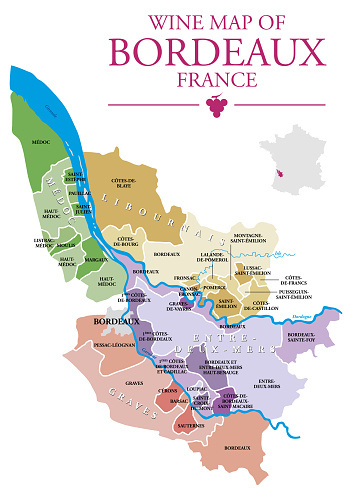
Most Bordeaux wines exist outside the en primeur spotlight and face a tough market. According to wine writer Andrew Jefford, some struggle with a reputation for green tannins and lean fruit, though this isn’t always deserved. Meanwhile, lower production costs in Chile and Argentina make their wines appealing alternatives. This shifting demand has pushed Bordeaux to refine its offerings, eliminating mediocrity and driving producers to improve quality to stay competitive.
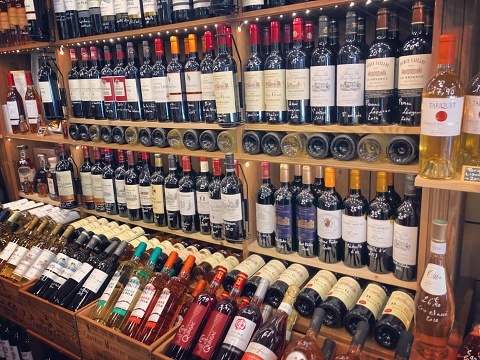
Bordeaux’s style is evolving. Harvests in Saint-Émilion now happen weeks earlier than a century ago, according to vine expert Cornelis van Leeuwen and wine scientist Philippe Darriet at the University of Bordeaux. Recent years have seen extreme humidity and temperature fluctuations, adding complexity to
winemaking decisions.
The 2023 vintage, the third warmest since 1990, saw early budbreak (late March). Though downy mildew was a risk, it wasn’t especially wet. However, May and June brought bouts of rain and high temperatures, causing rampant humidity that reduced yields in Moulis and Listrac to a seven-year low. Elsewhere, Saint-Estèphe, Pauillac, and Saint-Julien reported their best crops in a decade, while Pomerol, Saint-Émilion, and Sauternes performed well.
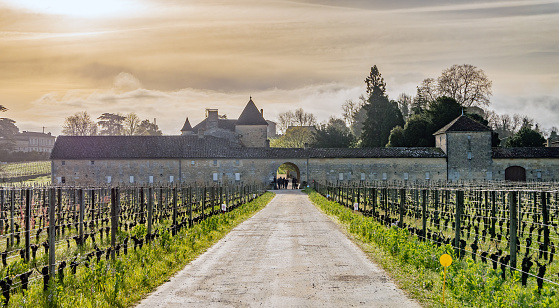
The white grape harvest began in mid-August after a warm spell, with reds following on September 5. Those who waited until early October benefited from late-season warmth. Bordeaux expert Jane Anson describes 2023 as a vintage with "good tannic potential but not as powerful as recent years, with strong aromatic intensity." Winemaker and writer Gavin Quinney notes the wines" will show fruit and finesse over structure and power."
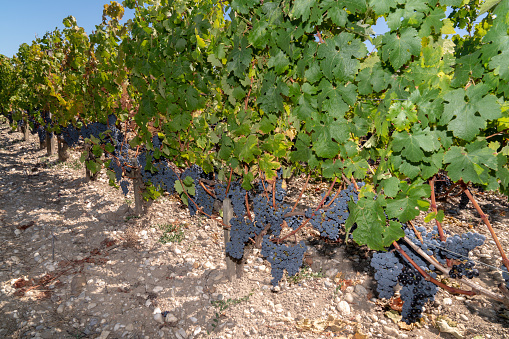
Expect fresh, energetic dry whites and reds favoring Cabernet Sauvignon (Pauillac) and Pomerol. Sauternes appears more ageworthy than 2022. If 2023 was humid, 2024 was outright wet—the wettest in 30years. Early budbreak from a warm spell brought the double threat of frost and mildew. Conditions improved slightly in late May and August, but September rains complicated harvest.
Cooler temperatures at harvest added further challenges. Still, there’s reason for optimism. Jane Anson highlights "lower alcohol levels and higher acidities than in recent vintages" with "beautiful aromatics from the best locations." The wines will be lean and fragrant, with whites drinking well young and reds benefiting from short aging. Estates that adapted well will shine, particularly those sourcing from diverse locations. Second wines will be worth exploring. Cabernet Sauvignon from well-drained Left Bank soils and Right Bank wines with a strong Cabernet Franc component should be strong contenders.