



Orange wine is everywhere right now. It is sold as funky, natural, ancient, rebellious. Fine. But what does it actually taste like? And when is it genuinely good, rather than simply odd?
I get asked this a lot. The answer starts by clearing away the marketing. Fashion is irrelevant. Back labels are irrelevant. What matters is what is in the glass.
Key Takeaways
- Under the OIV 2020 definition, orange wine is classified as white wine with maceration requiring a minimum of one month of grape skin contact.
- A Food Chemistry study demonstrated that 24 hours of skin contact lowers total acidity and increases pH in Listan Blanco grapes, making freshness retention crucial for extended maceration.
- The extended skin contact used in orange winemaking creates a tannic frame that binds with salivary proteins, producing a structural profile that pairs naturally with protein-heavy dishes.
- A scientific study analyzing nine orange wines found that skin contact duration ranges drastically from three days to six months, creating structures varying from textured whites to light reds.
- While some natural winemakers embrace volatile acidity in orange wines, U.S. federal standards cap this acetic acid level at 1.2 grams per liter for non-red grape wines.
- The Opimian Master of Wine team prioritizes orange wines made from native grapes, as generic commercial varieties frequently lose their regional identity under the heavy stylistic influence of skin contact.
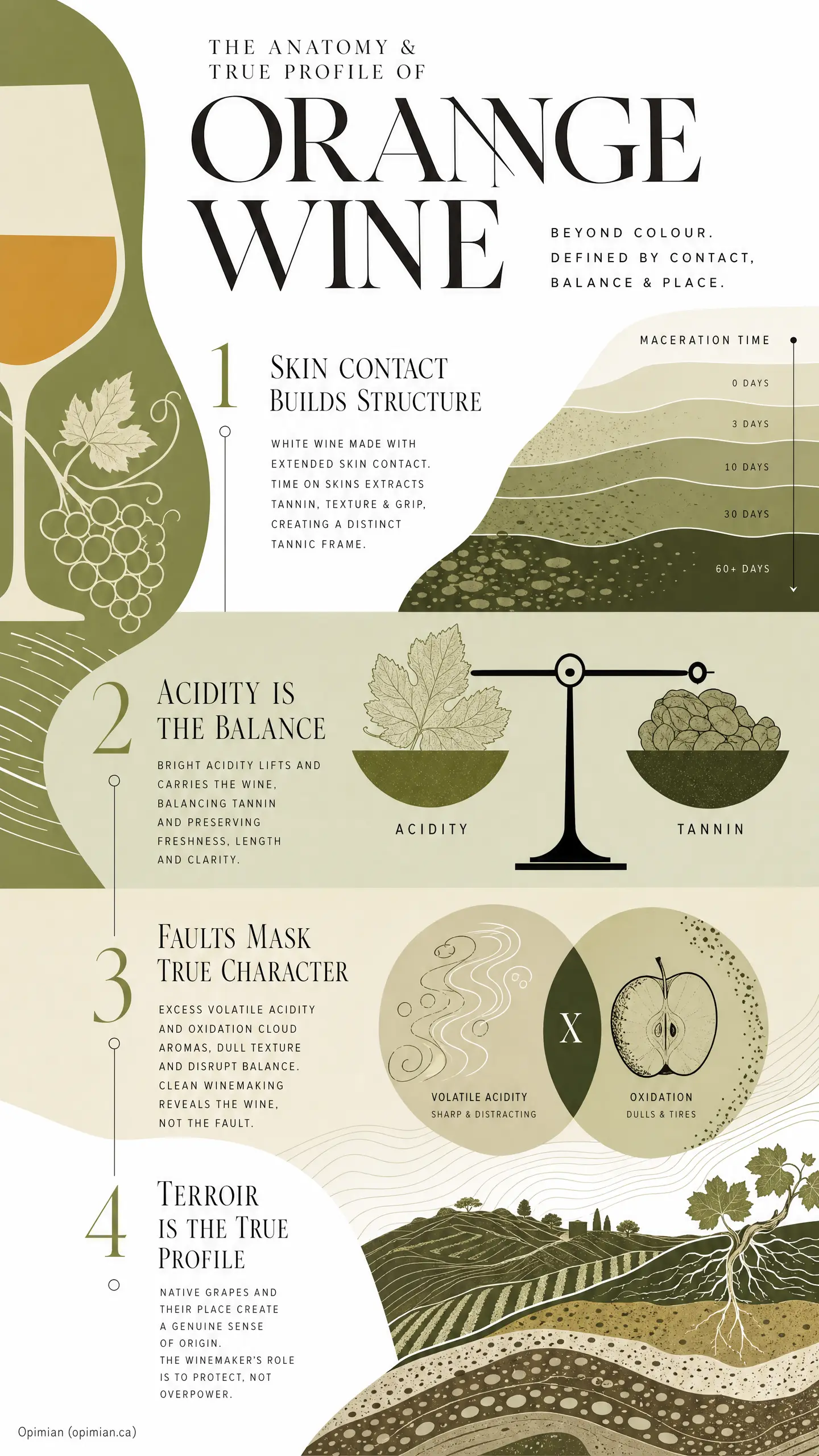
Let's Define the Thing Properly
Orange wine is white wine made from white grapes with extended skin contact. The OIV's basic definition of wine is a drink made from fermented grapes or grape must, so let's deal with the obvious confusion straight away. No oranges are involved.
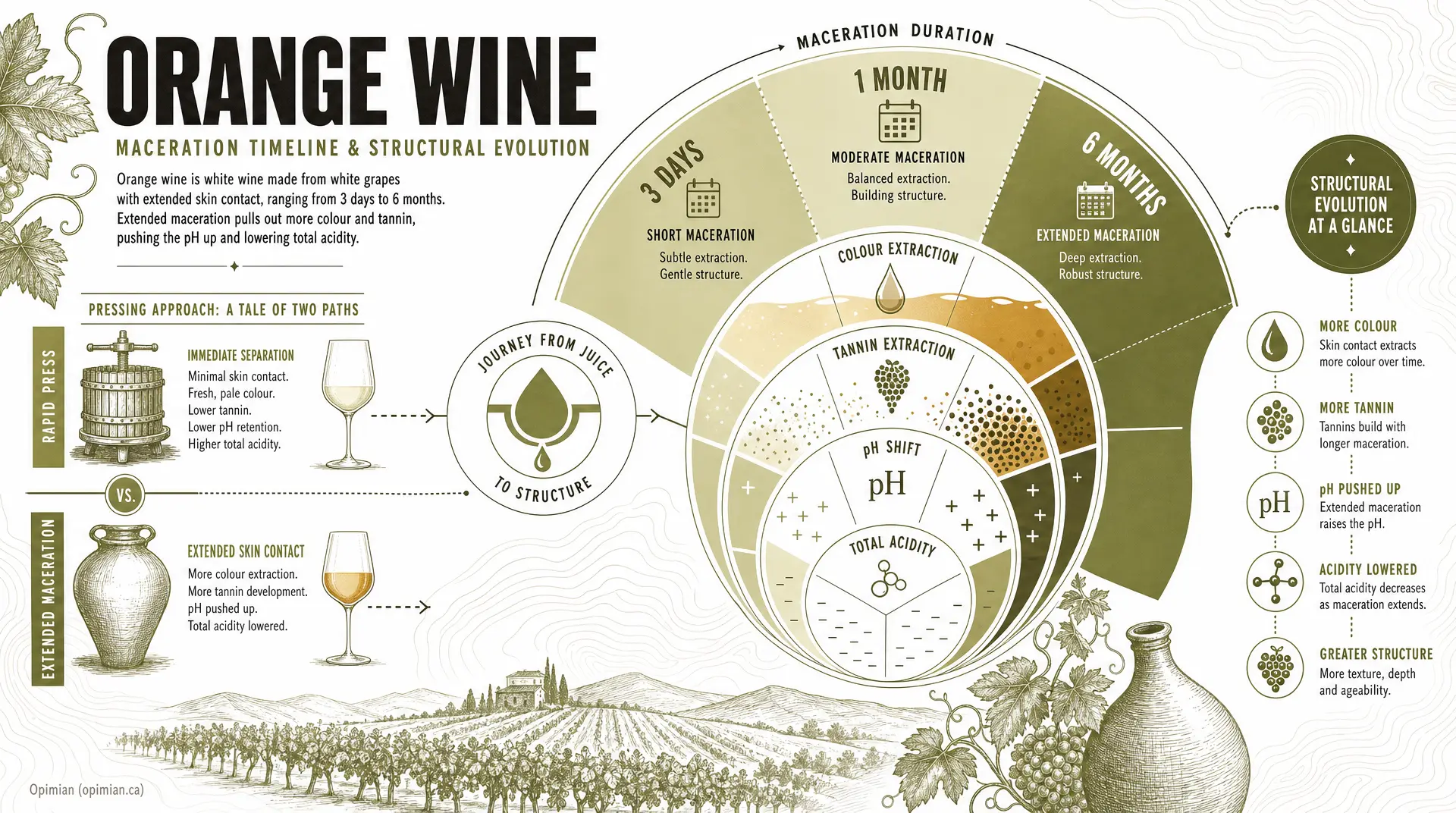
Under the OIV's 2020 definition, "white wine with maceration" is made exclusively from white grape varieties. The juice stays in contact with skins, pulp, seeds, and sometimes stems. That category uses a minimum maceration of one month and allows orange-amber colour and a tannic taste.
In ordinary white winemaking, we usually press quickly. We take the juice away from the skins and ferment the clear juice. Orange wine keeps the skins in play for longer, so you pull out more colour and more tannin.
The "Ancient Wine" Claim
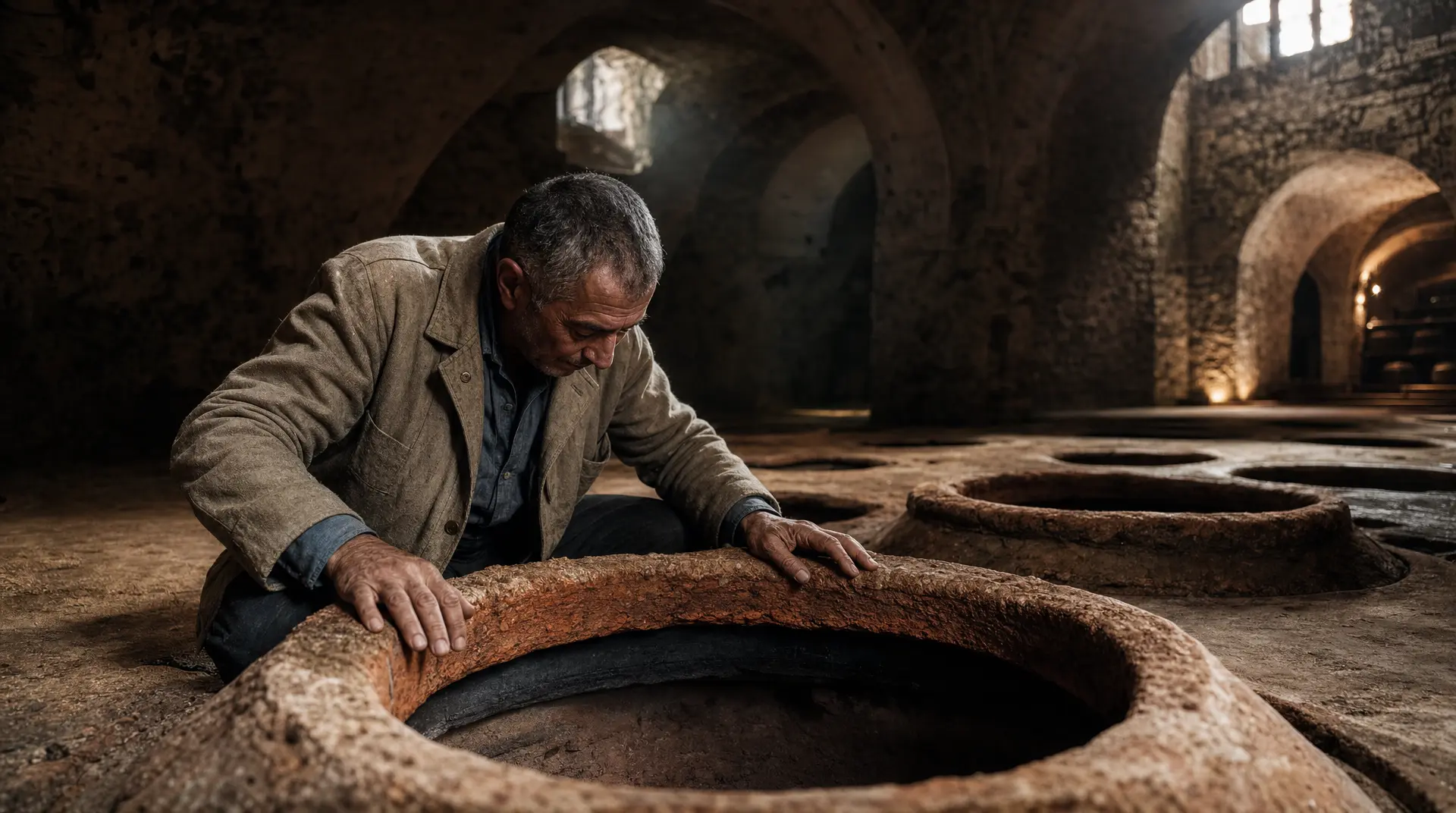
People often talk about orange wine as if it has come down to us unchanged from antiquity. There is truth in that, but let's keep our feet on the ground. Archaeological evidence from Georgia points to grape wine around 6000 to 5800 BC, which is astonishingly old.
The qvevri story is real as well. The OIV explicitly refers to the Georgian qvevri tradition in its white-wine-with-maceration resolution, and UNESCO recognised it in 2013. Even so, the earliest archaeological evidence for qvevri winemaking itself is later than that earliest wine evidence. So yes, the roots are ancient. The modern orange wine category is still a modern way of talking about it.
What Orange Wine Actually Tastes Like
Look, the first surprise for most people is texture.
I am not going to hide behind the bullshit emperor's new clothes style of wine terms here. Orange wine announces itself through grip. It has shape. It often has a slight chew to it. Suddenly a white wine has a tannic frame.
I often say tannins would be that narrative arc in a wine. They take you from the beginning through the middle to the end. In a red wine that is obvious. In an orange wine it catches people off guard, and that is part of the appeal.
Colour Matters Less Than Structure
The colour can be dramatic. Sometimes deep gold. Sometimes amber. Sometimes properly orange. To be honest with you, that is the least interesting part.
A Passerina experiment showed measurable colour deepening as skin contact increased, and even the move from 18 to 24 hours changed the chemistry again. That is a useful reminder. More maceration is not automatically better. More colour does not equal more quality.
Orange wine is also a very broad church. One study of nine orange wines found skin contact from 3 days to 6 months. That is a huge spread. Some wines feel like firm, textured whites. Others edge toward the structure of a very light red. In the same study, the red wine still sat apart, which tells you that skin contact changes a white wine dramatically, but it does not simply turn it into red wine.
Even the chemistry refuses to sit still. A 2024 skin-contact study found large vintage and cultivar swings in polyphenols and antioxidant activity. That is another reason I resist sweeping statements about what orange wine "always" tastes like.
Acidity Is the Key
This is the part people often miss.
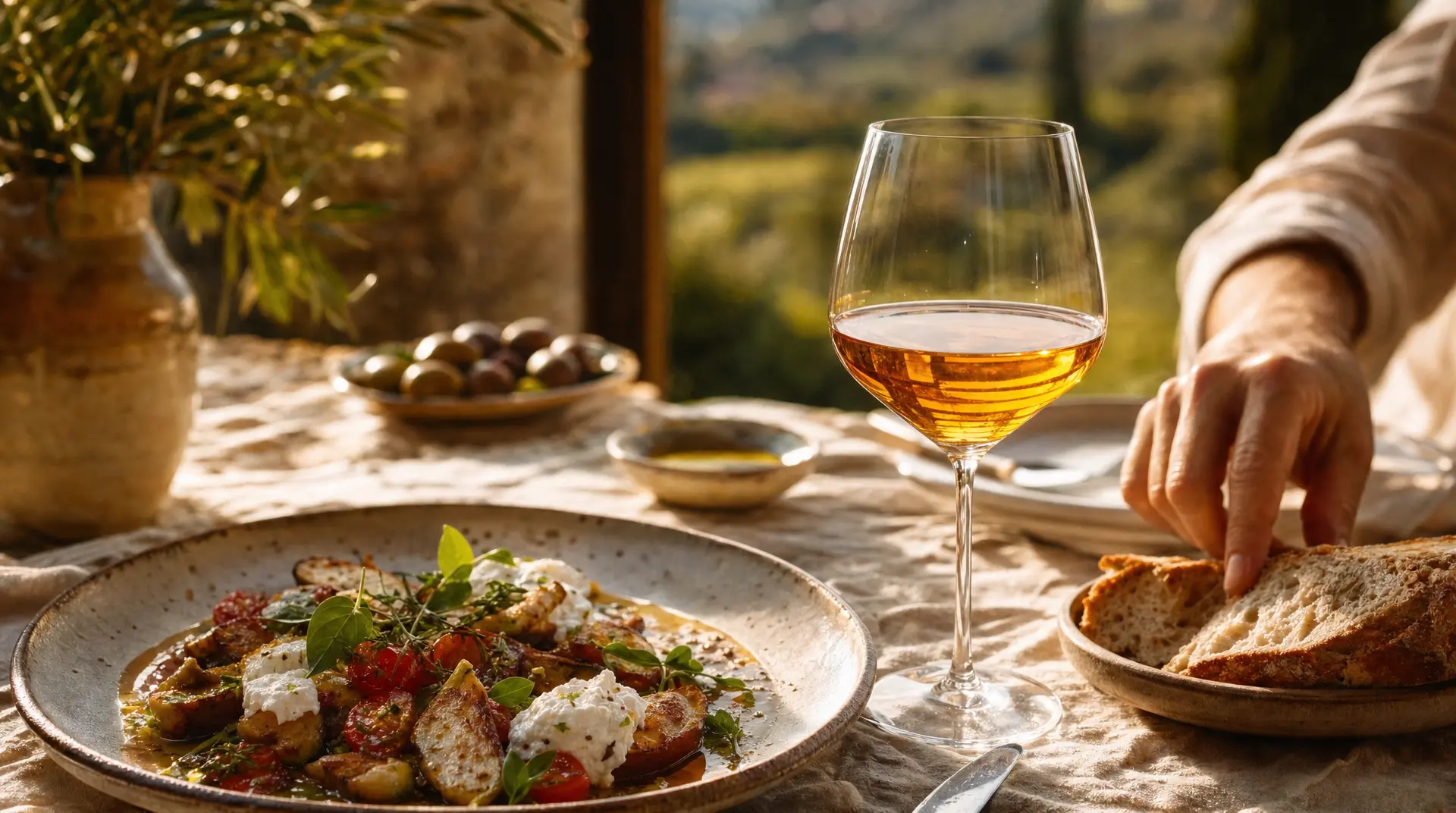
If you give a white wine more texture and more tannin, you also need freshness. Otherwise the wine becomes broad, drying, and tiring very quickly. Acidity is the sort of brake pedal on a wine's development. It is also what keeps the palate moving.
The chemistry supports that. A Food Chemistry study found that 24 hours of skin contact lowered total acidity in Listan Blanco and pushed the pH up. So even on a short timescale, the wine can lose some of that snap. Extend the maceration and balance matters even more.
This is one reason orange wine so often works at the table. We know that wine tannins bind with salivary proteins. That is why a tannic wine settles down with food, especially dishes with some protein and weight. The grip starts to feel useful.
Complexity Should Build
I do want complexity in orange wine, but I do not mean noise.
Complexity is not how big something is. It is how many different things there are. Think Beethoven's Ninth. The whole thing builds as more elements come in. A good orange wine should do the same. Fruit, acidity, tannin, and fermentation character should all move together.
If one thing is shouting above everything else, the wine is usually less interesting than people pretend.
The Grape Can Get Blurred
This is where the conversation gets subtle.
I have tasted plenty of extended skin-contact wines, including amphora-aged examples, that I think are beautiful. But one thing often links them. They are not always easy to identify as textbook examples of a grape variety. The process can blur the edges.
That is fine up to a point. Wine does not have to taste like a textbook answer to be good. But once the process wipes out the grape entirely, I start to get nervous.
Where Orange Wine Can Go Badly Wrong
This is the uncomfortable bit, but it matters.
Orange wine often travels with the natural wine movement. Sometimes that is absolutely fine. Sometimes it becomes a handy place to hide faults. If the wine is unstable, oxidised, or dominated by volatile acidity, the romance does not help you.
My Problem with the Word "Natural"
Look, I have a bit of an issue with the language here. All wine is natural in the sense that it is fermented grape juice. It is also all unnatural because mother nature doesn't make wine, mother nature makes vinegar, and if we want wine, we're going to have to stop it at that point before the ethanol is naturally converted into acetic acid.
Wine is a phase, if you like, of a natural process, and we need to stop it at that phase when it is wine. We do that by managing oxygen. We do it through bottle and closure. We often do it with sulfur dioxide.
The OIV is very clear about why sulphiting is used. It helps with microbiological stability. It provides antioxidant protection. It binds unwanted odours. I see sulfur dioxide as a practical stability tool.
Indigenous yeast can be interesting. It may help preserve a house style. Fine. It is still yeast. It does not make a wine magically purer or more virtuous.
Volatile Acidity Is the Line
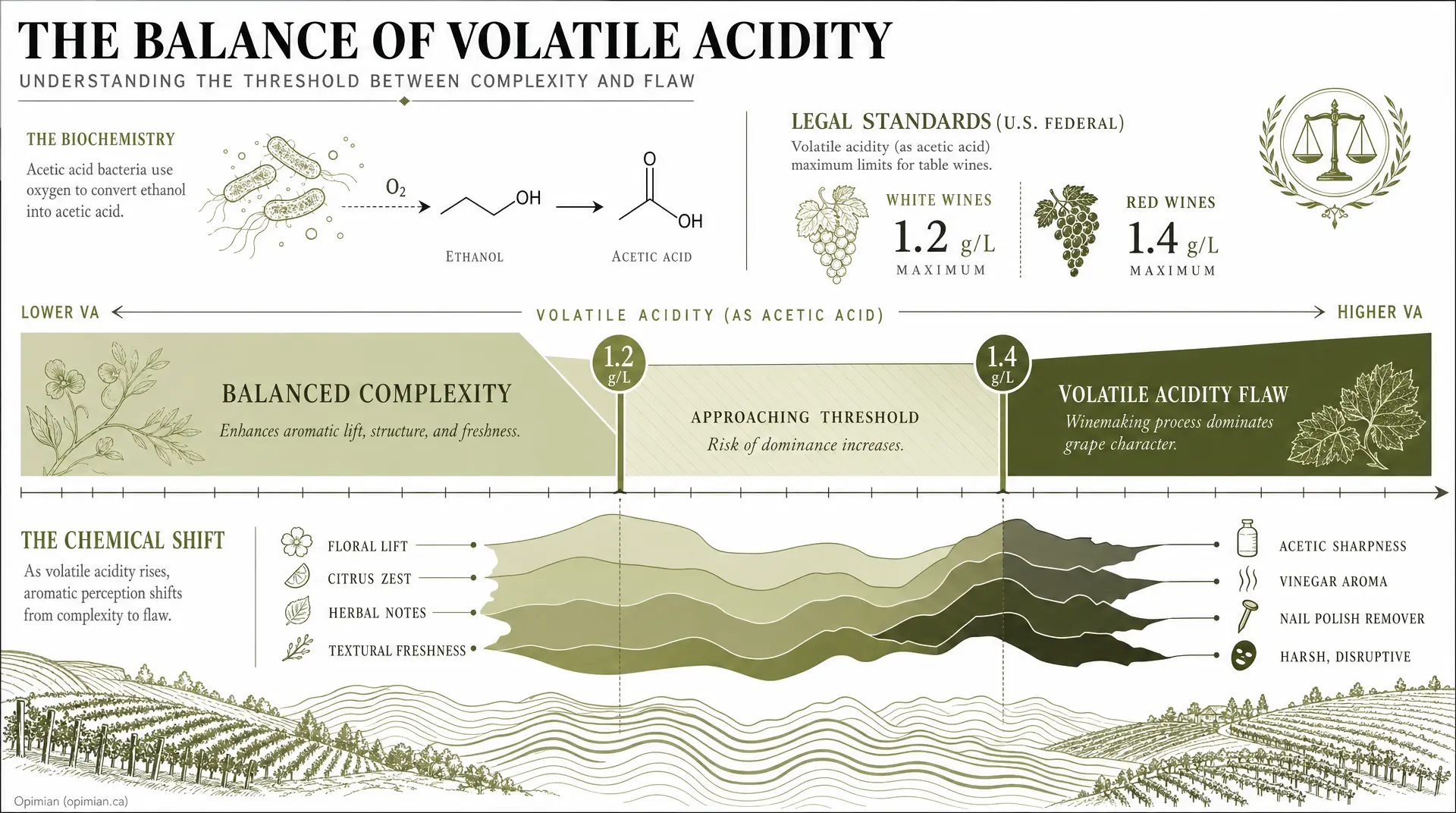
The biggest issue in unstable orange wines is oxidation and volatile acidity, which is just a fancy way of saying vinegar. Acetic acid bacteria use oxygen to convert ethanol into acetic acid. Leave the process unmanaged and that is where the wine starts heading.
Now, there is a personal taste element here. Some people are perfectly happy with higher volatile acidity. They think it adds complexity. They are entitled to that view.
My own test is very simple. Can I still smell the grape variety? Can I still sense the place? Or am I only smelling the winemaking process? If volatile acidity is the dominant thing in the glass, the wine has gone too far for me.
And the numbers are worth knowing. U.S. federal standards cap volatile acidity at 1.2 g/L for most grape wines other than red and 1.4 g/L for red wines. So when somebody shrugs off VA above 1 g/L as part of the charm, you are already getting close to the legal ceiling for many table wines.
Amphora is fine. Skin contact is fine. Dominance is the problem. If what you're tasting is winemaking process, rather than the grape or the wine itself, then that's when I start to ask some questions.
How I Talk to Producers About It
These can be delicate conversations. You only get one chance a year to make wine. So I do not charge into a cellar and tell somebody they have made a terrible decision.
I usually ask them what they think. I hand over the glass and say, can you help me understand what the level of volatile acidity is on this wine? That starts a much better conversation. Most serious producers know exactly what you are getting at.
Why Native Grapes Matter so Much
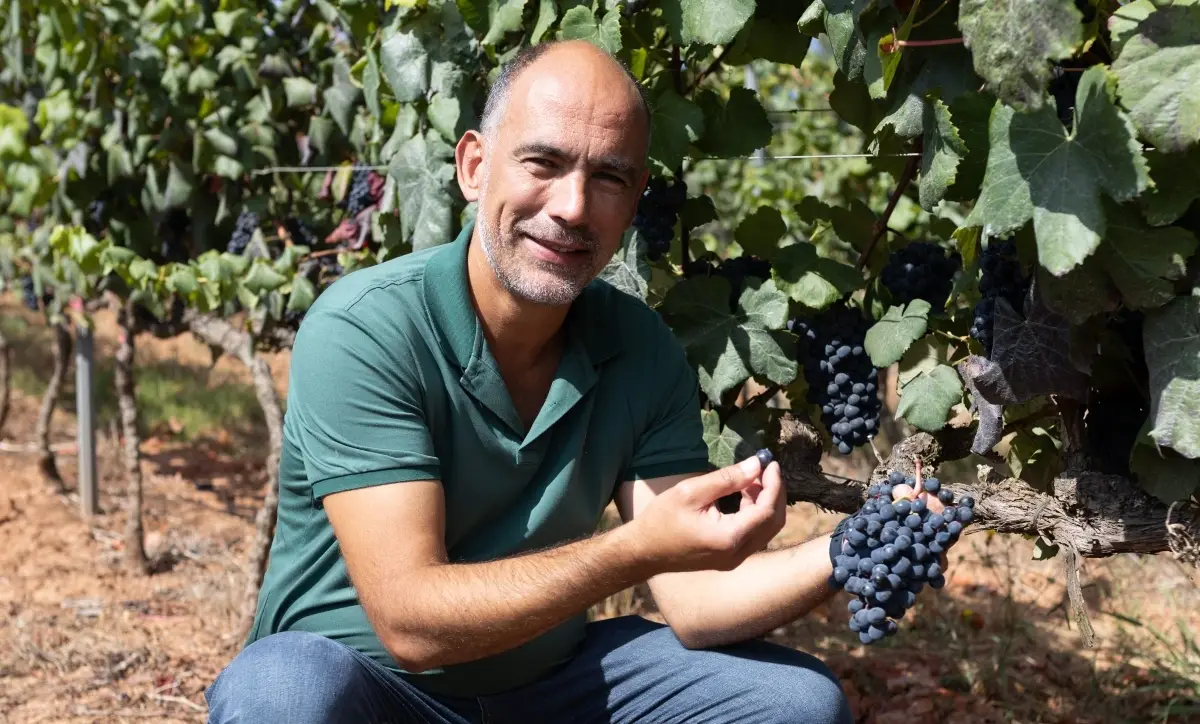
If you are going to explore orange wine seriously, I would look very hard at examples made from native grapes.
The reason is straightforward. Skin contact is already a strong stylistic move. If you combine that with a generic, highly commercial grape, you can end up with a wine that tastes mostly of process. The wine loses its dialect.
Think about the grape as like this little video recorder. It is recording the place, the season, the warmth, the rain, all of it. Different grapes record that information differently. Native grapes often give you a much clearer sense of where the wine comes from.
This has shaped a lot of my career. I have been to Italy more than 100 times, and what still excites me is finding local grapes and old regions that the wider market has ignored. Italy, for me, is all about inventiveness, tradition, and family. Orange wine can be superb when it grows out of that culture rather than out of a marketing brief.
Take Walter Massa and Timorasso. When I found him in 1999 or 2000, there were six hectares of Timorasso left in the world. He was going bust. I was his only customer. The wine blew my mind. It was complex, distinctive, and full of personality. Today there are hundreds of hectares planted.
That sits slightly outside orange wine, but it tells you exactly what I value. Buying expensive wine is really, really easy. All you need is a wallet. Buying great wine that nobody's heard of is much, much more difficult, and that's what we do.
How I Judge Orange Wine at Opimian
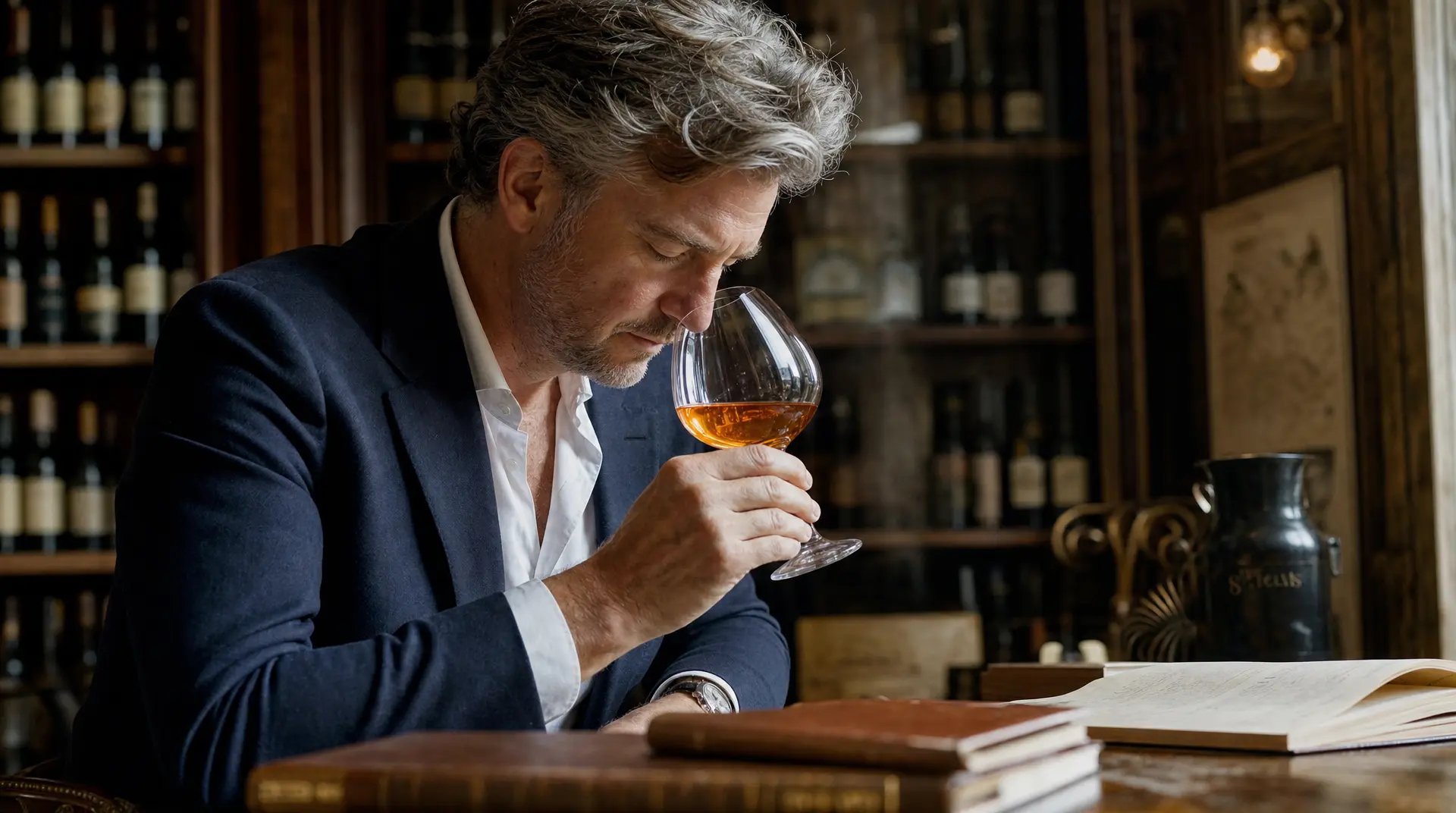
At Opimian, orange wine has to earn its place. Fashion does not help it. Novelty does not hurt it. We simply taste the wine and judge it.
We ignore critic scores and trends. Our Master of Wine team looks at what is in the glass. For me, quality comes back to balance, length, intensity, and complexity. Is the tannin balanced by acidity and fruit? Does the flavour carry through the finish? Is there enough concentration? Does the wine build and hold your attention?
Then I ask the question that matters most to me. Does it taste of somewhere? Or is it technically perfect and lacking personality? I want that sense of place. I want the wine to reflect both the person who made it and the place it comes from.
A clean orange wine can still fail on that measure. It may be flawless. It may also be generic. I lose interest very quickly when that happens.
Then, yes, I look at price. Orange wine can be wildly overpriced because the label is clever and the category is fashionable. That does not interest me in the slightest. If a wine delivers real quality at a sensible price, you have my attention.
This is also why our members see bottles they will not find elsewhere in Canada. We work with small producers who often have no marketing department and no appetite for endless paperwork because they are busy in the vineyard or the cellar. Our back-office team does an enormous amount of work to make those wines happen. I get the glory of finding them. They do the hard yards.
Sometimes we are tasting very young samples to secure the wine. Then the producer still has to settle it, bottle it, and get it ready. After that comes the laborious trip through the liquor boards. Our members are patient because they understand wine is an agricultural product. Real wine often takes time.
When I write a tasting note for Cellar, I am always hunting for the hook. I want you to stop and think, I really want to try that. With orange wine, the hook has to be real. It might be a forgotten grape, a family producer, or extraordinary value. "Funky" is not enough.
What You Should Look for in the Glass
If you are curious about orange wine, keep it simple.
Look for grip that feels attractive rather than aggressive. Look for acidity that keeps the wine moving. Look for complexity that builds rather than shouts. Look for a producer with a reason for using skin contact beyond fashion.
If you are buying through a club like Opimian, use the context you are given. Read the producer story. Read the tasting note. Find out why the wine was made this way. That matters far more than a trendy category tag.
And ask yourself one very practical question. Do you actually want another glass? Some orange wines are intellectually interesting for about five minutes and then become hard work. The better ones keep opening up. They make sense with food. They give you texture, personality, and a real sense of place.
That, for me, is the whole point.
Final Thought
At its best, orange wine gives you a white wine with extra shape, extra grip, and a lot more gastronomic interest. It can be thrilling. At its worst, it tastes of oxidation, volatile acidity, and trend-following.
So what does orange wine taste like? It tastes of skin contact, certainly. It should also taste of grape, place, and person. Keep those things in balance and you have something worth drinking. Lose them, and I move on.
Frequently Asked Questions
Does prolonged skin contact make an orange wine taste chemically identical to a red wine?
Look, maceration changes the profile, but it does not just turn white into red. In a study of nine orange wines with maceration up to six months, they still sat chemically apart from the red control. You get a completely different phenolic dialect.
Why does the structural intensity of an orange wine vary so wildly from year to year?
The grape records the season. A 2024 study showed experimental skin-contact wines varied massively in polyphenols, ranging from 32 to 121 mg/100 mL GAE. That vintage struggle dictates the final phenolic grip in your glass. It is raw agriculture, not a corporate factory recipe.
Does an orange wine actually develop the same level of flavanols and grip as a light red wine?
It can actually surpass them. In one analysis, a skin-contact Solaris white showed double the flavanol content of a red Zilga wine. This is why orange wine announces itself through grip. It builds a genuine tannic frame that demands serious food, rather than acting as a mere novelty.
At what temperature should these structured white wines be served to best appreciate their dialect?
Treat it like a serious red. If you serve it fridge-cold, you strip the dialect right out of the glass and brutally amplify the astringency. I always recommend cellar temperature. It allows the essential acidity to drive the palate while letting the native grape's true personality finally emerge.
How does the taste of a skin-contact white evolve while waiting months for a delayed shipment?
Real wine takes patience. During a long cellar rest, aggressive early tannins begin to integrate with the acidity. By the time the bottle finally reaches you, that initial chaotic grip softens into a beautifully structured texture. It stops shouting and starts speaking clearly of its native vineyard origin.